The Storm That Changed Everything
In February 2021, Winter Storm Uri brought Texas to its knees. The ERCOT grid collapsed. Over 4.5 million homes lost power. Temperatures inside houses dropped below freezing. Pipes burst. People died.
It was a wake-up call that exposed a harsh truth: the Texas grid is vulnerable, and you can't always count on it.
Since then, thousands of Texas homeowners have invested in home battery storage — not as a luxury, but as essential protection for their families.
How Home Battery Storage Works
A home battery system is straightforward:
- Solar panels generate electricity during the day
- Excess energy charges your battery instead of going back to the grid
- When the grid fails, your battery automatically kicks in, powering your home seamlessly
- When the grid returns, your battery recharges and prepares for the next event
The transition from grid power to battery power happens in milliseconds — faster than you can blink. Your lights don't flicker. Your refrigerator keeps running. Your medical equipment stays powered.
What Can a Home Battery Power?
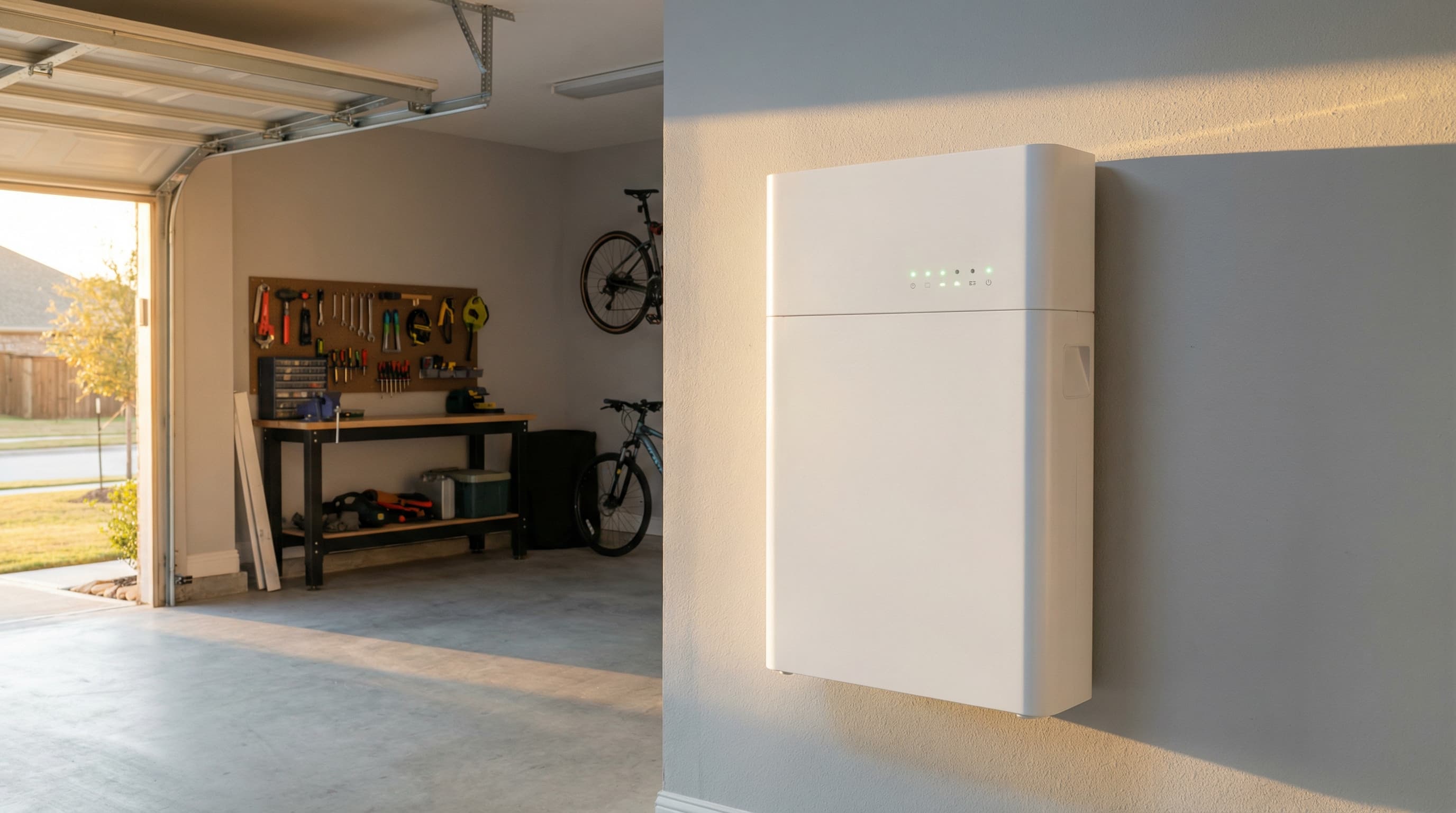
A standard home battery system (like the ones Texas Power Protection installs) stores 13.5-27 kWh of energy. Here's what that means in practical terms:
Essential Circuits (24-48 hours of backup)
- Refrigerator and freezer
- Lights throughout the home
- WiFi router and phone chargers
- Medical equipment
- Garage door opener
Extended Coverage (12-24 hours)
- All of the above, plus:
- Select AC zones (keeping one or two rooms comfortable)
- TV and entertainment
- Electric stove/microwave
With Solar Recharging
If your battery is paired with solar panels (which ours always are), your battery recharges every day. This means you can potentially run on battery and solar indefinitely during a grid outage — as long as the sun keeps shining.
During Winter Storm Uri, homeowners with solar + battery systems reported having continuous power for the entire 4+ day outage.
Texas Storm Threats: A Year-Round Risk
Hurricane Season (June - November)
The Texas Gulf Coast faces annual hurricane threats. Category 3+ hurricanes can knock out grid power for days or even weeks. In 2017, Hurricane Harvey left parts of Houston without power for over two weeks.
Winter Storms (December - February)
Since Uri, Texas has experienced additional winter weather events that strained the grid. While improvements have been made, the fundamental vulnerability of long-distance transmission lines to ice remains.
Summer Heat Waves (June - September)
ERCOT regularly issues conservation appeals during extreme heat, asking Texans to reduce electricity use. In worst-case scenarios, rolling blackouts are implemented. A home battery means you're never subject to forced outages.
Severe Thunderstorms (March - June)
Tornado season brings powerful thunderstorms that frequently cause localized outages lasting hours to days.
Battery Storage vs. Traditional Generators
Many homeowners compare battery storage to gas generators. Here's how they stack up:
Noise
Battery: Silent operation — you won't even know it's running. Generator: 60-80 decibels — like having a lawn mower running continuously.
Fuel
Battery: Recharges from solar panels — no fuel needed, no fuel costs, no fuel storage. Generator: Requires gasoline or natural gas. During widespread emergencies, fuel can be impossible to find.
Maintenance
Battery: Zero maintenance required. Generator: Regular oil changes, fuel stabilizer, annual servicing, and exercise runs.
Environmental Impact
Battery: Zero emissions. Generator: Produces carbon monoxide (a deadly gas that kills dozens of Americans annually during storm-related outages).
Response Time
Battery: Instant (milliseconds) — seamless transition. Generator: 10-30 seconds startup delay — everything turns off, then back on.
Daily Value
Battery: Provides value every day through solar energy storage, peak rate avoidance, and VPP participation. Generator: Sits idle 99% of the time, providing no value until an outage.
The Financial Case for Battery Storage
Beyond storm protection, home batteries save money daily:
Peak Rate Avoidance: Store cheap solar energy during the day, use it during expensive evening peak hours. This can save $50-$100/month depending on your utility plan.
VPP Income: Participate in Virtual Power Plant programs that pay you when the grid needs extra power. Earn $500-$1,500 annually.
Solar Optimization: Without a battery, excess solar energy goes back to the grid at low rates. With a battery, you store it and use it when rates are highest.
Getting Battery Storage with $0 Down
Through Texas Power Protection's TPO program, you can add battery storage to your home with no upfront cost:
- Professional installation of solar panels and battery in 1-2 days
- All maintenance covered for the life of the system
- Automatic storm protection — your system detects grid outages and switches instantly
- Smart energy management — AI optimizes when to store, use, and sell energy
- Monthly savings from day one
Don't Wait for the Next Storm
Every major Texas storm triggers a surge in battery storage interest. The problem? Installation backlogs can stretch to months during high-demand periods. The best time to install battery storage is when the weather is calm and installers are available.
Schedule your free home assessment today and be ready before the next storm hits.